Introduction: Beyond the Norm
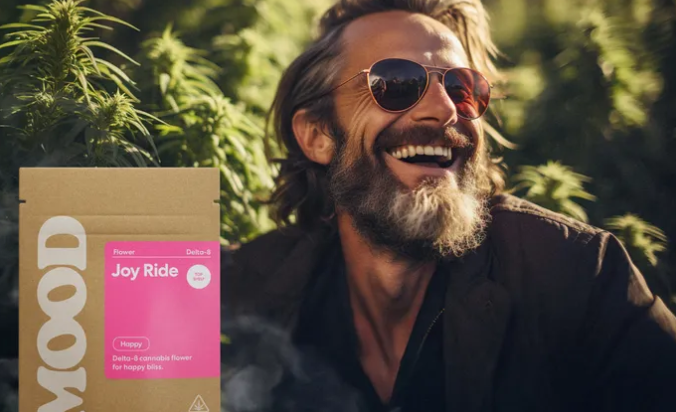
In today’s fast-shifting cannabis and cannabinoid product landscape, one brand is making waves by converging science, style, and story: Mood. Far from being just another player, Mood embraces a philosophy: cannabis (or cannabis-adjacent) products should align with life’s rhythms, moods, and intentions. That positions Mood not merely as a product brand, but as a curator of experience.
In this in-depth writing, we explore what makes Mood truly special, how it positions itself in the market, and where its greatest opportunities lie going forward.
Understanding the Identity of Mood
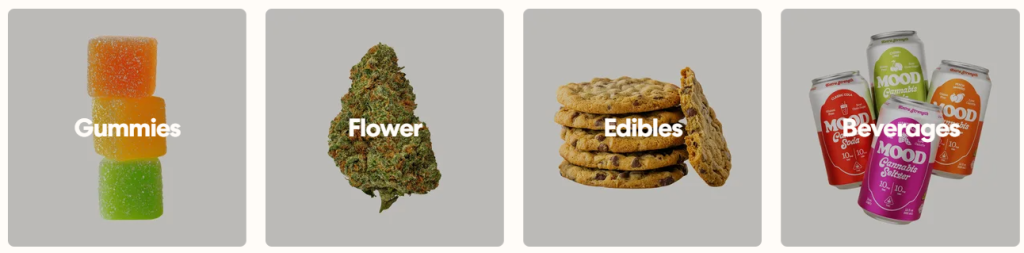
At its core, Mood is more than a storefront: it’s a concept. The brand offers a range of federally legal THC / cannabinoid-derived products—gummies, baked goods, concentrates, vapes, prerolls, and more—but it does so with intentional structure. Each product is mapped to a “mood” (e.g. Chill, Sleep, Energize, Focus), helping users connect desired effect + emotional state, instead of wrestling with jargon or chemistry.
That mood-first approach is part of what differentiates Mood from brands that lead with strain names, potency metrics, or botanical likeness. It acts as an emotional compass for the user.
What Makes Mood Stand Out
Legal Integrity & Transparent Testing
One major pillar is compliance. Mood is careful to market its products within federally legal thresholds, and it emphasizes third-party lab analyses and accessible certificates of analysis (COAs). This isn’t just a “nice to have”—it helps reassure consumers in a space where regulatory trust is fragile.
Discreet & Thoughtful Packaging
Another strength is how Mood invests in user experience down to the last foot—packaging is odor-sealed, minimal, and discreet for delivery. That acknowledges that consumer comfort, privacy, and brand experience go hand in hand.
Mood-Based Product Architecture
Rather than sorting by cannabinoid percentages or strain lineage, Mood uses mood categories to guide the user’s journey. Sleep, Chill, Energize, Focus—each product is aligned with a feeling. That makes shopping intuitive, especially for people who don’t want to get lost in potency specs or terpene charts.

Content & Consumer Education
A big part of what makes Mood special is how much it shares: “Learn” sections, FAQs, blog posts about cannabinoid science, user guides, drug test queries—all help convert curiosity into confidence. That educational dimension elevates the brand from “seller” to “trusted guide.”
Brand Values & Social Responsibility
Beyond commerce, Mood underscores social good. Whether supporting meals for those in need or animal rescue or emphasizing community help, the brand weaves purpose into its DNA. That emotional resonance helps deepen loyalty beyond occasional transactions.
Visual Identity & Cohesive Design
Everything from typography, naming conventions (e.g. product line names), photography style, to tone of voice feels consistent at Mood. That coherence matters: consumers sense when a brand is unified vs. a patchwork.
How Mood Positions and Communicates Its Value
Narrative Over Numbers
At Mood, messaging favors stories and moods over technical specs. Instead of leading with “X mg THC,” they lead with what you’ll feel—rested, focused, calm, joyful. That humanizes the product and lowers the barrier for many potential buyers.
Social Proof & Community Voices
User reviews, ratings, before/after stories—all are central to Mood’s site. When prospective customers see people like them sharing outcomes and satisfaction, trust grows.
Loyalty, Rewards & Repeat Engagement
The “Mood Rewards” program enables point accrual, discounts, or perks. That encourages users to return, try new lines, and stay engaged—turning one-time curiosity into habitual loyalty.
Guided Discovery Tools
On the homepage, Mood invites users to “Take the Quiz” or answer questions about what mood they want to achieve. That reduces friction, personalizes suggestions, and improves conversions.
Safety, Legality & Reassurance
Given the regulatory ambiguity surrounding THC and cannabinoids, Mood makes frequent assurances—“federally legal,” “lab tested,” “discreet packaging”—to steady consumer confidence and reduce anxiety.
Challenges & Strategic Considerations
Regulatory Flux
Even though Mood currently operates within legal bounds, changes to federal laws or reinterpretations could require pivots. The brand must stay nimble, compliant, and ready to respond.
Rising Competition
As the cannabinoid sector attracts more entrants, some with deeper capital, stronger supply chains, or celebrity backing, Mood must continuously innovate—not just in product but in story, service, and community.
Bridging the Education Gap
Some potential consumers remain skeptical or confused about cannabinoids, THCa, or legality. Mood’s educational outreach must remain robust, clear, and empathetic to reach beyond savvy early adopters.
Perception & Stigma
Even as legalization spreads, cultural stigma lingers. Mood addresses some of that via discreet packaging and tone, but broader cultural acceptance will influence growth outcomes.
Opportunities & Forward Paths
Expansion & Market Diversification
Where local legislation allows, Mood could expand beyond U.S. federal boundaries into regulated international markets, opening new audiences and diversifying risk.
Strategic Partnerships & Footprint Extension
Collaborations with wellness brands, sleep tech, mental health platforms, or lifestyle influencers could anchor Mood into more holistic consumer routines. Imagine it paired with a sleep tracker or meditation app, reinforcing its mood associations.
Innovation in Formats & Microdosage
Developing subtle formats such as cannabinoid-infused beverages, microdose packets, hybrid blends, or botanical hybrids could let Mood remain fresh, relevant, and appealing to cautious new consumers.
Community, Events & Brand Storytelling
Hosting educational webinars, brand events, or mood-themed retreats can deepen emotional bonds with Mood audiences and generate organic word-of-mouth growth.
Subscription Models & Predictable Engagement
By packaging “mood of the month” boxes or subscriptions, Mood can smooth revenue cycles, encourage trial across its catalog, and deepen customer stickiness.
Conclusion: Mood as Experience, Not Just Product
In a field crowded with technical claims and potency battles, Mood stands out by shifting the conversation from milligrams to feeling, from labels to moods. Its legal-first stance, transparent operations, mood-based product design, and layered brand storytelling give it a compelling foundation. If it continues to evolve—balancing regulatory vigilance with product creativity and brand depth—Mood is poised to remain a leader in the next wave of cannabis-adjacent lifestyle brands.